
Description
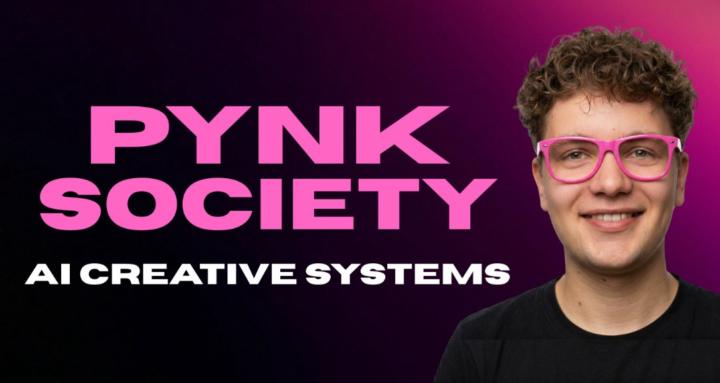
Mr Pynk – PYNK Society – AI Creative Lab
Artificial intelligence has dramatically transformed creative work, enabling designers, marketers, entrepreneurs, and content creators to produce professional-quality assets faster than ever before. As new AI platforms continue to evolve, many creators seek structured learning environments where they can master practical workflows rather than relying on scattered tutorials.
Mr Pynk – PYNK Society – AI Creative Lab is designed to help creators understand modern AI-powered creative processes. Instead of focusing solely on theory, the program emphasizes practical implementation, creative experimentation, and workflow optimization using today’s most capable AI technologies.
This guide explores what the program offers, the types of skills learners may develop, and why AI-focused creative education continues to grow in popularity.
What Is AI Creative Lab?
AI Creative Lab is a learning environment centered around modern artificial intelligence tools for creative professionals. The objective is to help students streamline repetitive tasks while improving creativity, productivity, and overall project quality.
The program explores practical AI applications across multiple creative disciplines including:
- AI image generation
- Content creation
- Graphic design
- Marketing assets
- Branding
- Creative automation
- Prompt engineering
- Business workflows
Rather than replacing creativity, AI acts as a collaborative assistant that accelerates the creative process.
Why AI Skills Matter Today
Creative industries are rapidly adopting artificial intelligence to improve efficiency and deliver higher-quality work in less time.
Modern businesses increasingly expect creators to understand AI-assisted production because it enables:
- Faster content delivery
- Improved brainstorming
- Better design iterations
- Reduced production costs
- Consistent branding
- Higher creative output
- Efficient editing workflows
Learning how to integrate AI into existing creative systems has become an increasingly valuable professional skill.
Core Learning Areas
The curriculum generally focuses on practical implementation instead of abstract theory.
Students typically learn how to:
AI Prompt Writing
Effective prompts significantly influence AI-generated results.
Key concepts include:
- Prompt structure
- Style modifiers
- Camera language
- Artistic direction
- Negative prompts
- Consistency techniques
Understanding prompt engineering often leads to higher-quality outputs with fewer revisions.
AI Image Generation
Visual content creation has become one of the fastest-growing applications of AI.
Common topics include:
- Character creation
- Product visualization
- Advertising graphics
- Brand imagery
- Concept art
- Social media visuals
- Marketing creatives
Learners discover methods for producing polished visuals suitable for personal and commercial projects.
Content Creation
AI simplifies many aspects of written content production.
Possible applications include:
- Blog writing
- Video scripts
- Email marketing
- Product descriptions
- Landing pages
- Social media posts
- Marketing campaigns
The emphasis remains on using AI as a productivity tool while maintaining originality and quality.
Workflow Optimization
Creative professionals often spend unnecessary hours repeating manual tasks.
Automation strategies may include:
- AI-assisted brainstorming
- Content repurposing
- Asset organization
- Batch creation
- Creative planning
- Project management
These efficiencies allow creators to spend more time refining ideas rather than handling repetitive work.
Practical Applications
The knowledge gained from AI-focused creative education can be applied across numerous industries.
Examples include:
Digital Marketing
Create engaging marketing assets including:
- Display advertisements
- Social media graphics
- Promotional campaigns
- Landing page visuals
Content Marketing
Produce scalable content for:
- Blogs
- Newsletters
- Websites
- Educational materials
- Lead magnets
Brand Development
Develop stronger visual identities using AI-assisted design workflows.
This includes:
- Logos
- Color concepts
- Mood boards
- Typography inspiration
- Brand consistency
Freelancing
Freelancers may benefit by delivering projects faster while maintaining quality standards.
AI can help increase productivity without sacrificing creativity.
Business Growth
Entrepreneurs can leverage AI to:
- Reduce outsourcing costs
- Build marketing materials
- Improve customer engagement
- Accelerate content production
- Launch products more efficiently
Benefits of Learning AI Creative Workflows
Many professionals are adopting AI because of its ability to increase efficiency.
Some advantages include:
- Faster project completion
- More creative experimentation
- Improved productivity
- Reduced repetitive work
- Better brainstorming
- Professional-quality outputs
- Continuous workflow improvement
These benefits make AI an increasingly valuable addition to a creator’s toolkit.
Who Can Benefit?
This type of training may be suitable for:
- Graphic designers
- Digital marketers
- Content creators
- Entrepreneurs
- Agency owners
- Social media managers
- Freelancers
- Small business owners
- Video creators
- Creative professionals
Both beginners and experienced creators can benefit from structured AI education depending on their goals and existing skill level.
Skills You May Develop
Throughout the learning experience, participants often strengthen skills such as:
- Creative thinking
- AI-assisted design
- Prompt engineering
- Visual storytelling
- Marketing strategy
- Brand development
- Workflow automation
- Content planning
- Creative problem solving
- Productivity optimization
These competencies remain valuable across a wide range of industries.
Advantages of Structured AI Learning
Instead of relying on random online tutorials, structured programs provide a more organized learning path.
Benefits often include:
- Step-by-step lessons
- Practical demonstrations
- Real-world examples
- Repeatable workflows
- Community learning
- Consistent updates
- Guided implementation
A structured approach can reduce the time required to become proficient with new AI tools.
Tips for Success
To maximize learning outcomes:
- Practice regularly.
- Experiment with different prompts.
- Build a personal portfolio.
- Stay informed about new AI developments.
- Apply techniques to real projects.
- Refine workflows over time.
- Focus on creativity rather than automation alone.
Consistent application is often more valuable than simply consuming educational material.
Final Thoughts
Artificial intelligence continues to reshape creative industries by enabling faster production, improved experimentation, and more efficient workflows. Programs focused on practical implementation can help creators understand how to integrate AI into everyday projects while maintaining originality and quality.
For designers, marketers, entrepreneurs, and content creators seeking to enhance productivity, learning structured AI workflows offers opportunities to improve efficiency and expand creative capabilities. As AI technologies continue to evolve, staying informed and developing practical experience can provide long-term value in an increasingly competitive digital landscape.
Whether your goal is building a freelance business, improving marketing campaigns, streamlining creative production, or exploring new artistic possibilities, mastering AI-assisted workflows can become an important part of modern creative success.



Reviews
There are no reviews yet.