

Description
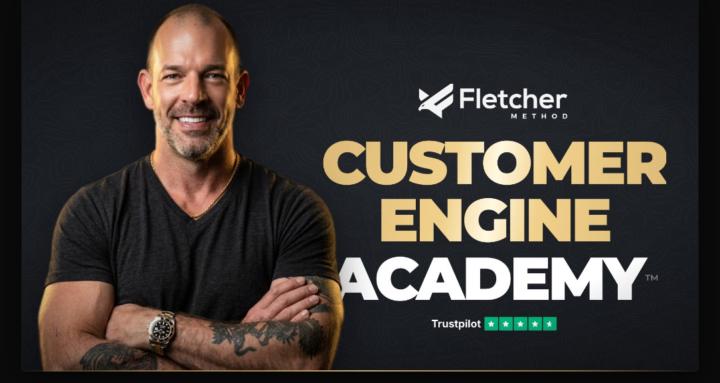
Aaron Fletcher – Customer Engine Academy: Creating a System for Predictable Business Growth
In today’s competitive digital marketplace, attracting and retaining customers is one of the biggest challenges businesses face. Many companies struggle not because their products are not valuable, but because they lack a reliable system for finding, engaging, and converting potential customers.
A successful business needs more than occasional marketing campaigns. It requires a structured customer acquisition engine that consistently brings attention, builds relationships, and creates opportunities for sales.
Aaron Fletcher – Customer Engine Academy focuses on the strategies, systems, and principles needed to create a predictable customer growth process. Instead of relying on random promotions or inconsistent efforts, businesses can develop repeatable methods that attract the right audience and turn prospects into loyal customers.
Building a customer engine is about understanding people, creating valuable offers, improving communication, and developing marketing processes that support long-term success.
Understanding the Importance of Customer Acquisition
Every successful business depends on customers. Without a consistent flow of new prospects, growth becomes difficult to maintain.
Customer acquisition refers to the process of attracting new customers through different marketing and sales activities.
This process includes:
- Finding potential buyers
- Creating awareness
- Building trust
- Providing value
- Converting prospects into customers
Many businesses focus heavily on their products but overlook the importance of creating a system that brings customers to them.
A strong acquisition strategy allows businesses to grow more consistently and reduces dependence on unpredictable sales opportunities.
What Is a Customer Engine?
A customer engine is a complete system designed to attract, nurture, and convert potential customers.
Instead of treating marketing as separate activities, a customer engine connects different elements together.
A complete system may include:
- Audience research
- Content creation
- Lead generation
- Email marketing
- Sales processes
- Customer retention strategies
The goal is to create a repeatable process where each stage supports the next.
When businesses build this type of system, they can create more predictable growth instead of constantly searching for new customers manually.
Understanding Your Ideal Customer
The foundation of any successful marketing system is understanding who you want to serve.
Many businesses make the mistake of trying to appeal to everyone. However, a clear target audience creates stronger messaging and better results.
Important customer research areas include:
Customer Problems
Understand what challenges your audience experiences.
Ask:
- What problems are they trying to solve?
- What frustrations do they have?
- What results are they looking for?
Customer Goals
People do not buy products only because of features. They buy because they want specific outcomes.
Understanding desired results helps businesses communicate better.
Customer Behavior
Analyze:
- Where customers spend time online
- What content they consume
- How they make buying decisions
This information helps create more effective marketing strategies.
Creating a Strong Value Proposition
A value proposition explains why customers should choose your business over alternatives.
A powerful message communicates:
- Who you help
- What problem you solve
- What results you provide
- Why your approach is different
Customers are constantly exposed to marketing messages. A clear and valuable offer helps businesses stand out.
The strongest brands focus on benefits rather than simply describing features.
Building an Effective Lead Generation Strategy
Lead generation is the process of attracting people who may become customers.
A strong lead generation system provides value before asking for a purchase.
Common lead generation methods include:
Educational Content
Content marketing helps businesses attract audiences by providing useful information.
Examples include:
- Blog posts
- Videos
- Guides
- Tutorials
- Industry insights
Helpful content builds trust and positions a business as an authority.
Lead Magnets
A lead magnet is a valuable resource offered in exchange for contact information.
Examples include:
- Free guides
- Checklists
- Templates
- Training resources
The goal is creating a relationship with potential customers.
Social Media Engagement
Social platforms allow businesses to:
- Share knowledge
- Connect with audiences
- Build communities
- Increase visibility
Consistent engagement can create long-term customer relationships.
The Role of Content Marketing in Customer Growth
Content is one of the most powerful tools for attracting modern customers.
Effective content helps businesses:
- Educate audiences
- Build credibility
- Increase visibility
- Generate leads
Different types of content serve different purposes.
Awareness Content
This introduces potential customers to your brand.
Examples:
- Educational posts
- Industry discussions
- Problem-solving content
Trust-Building Content
This helps customers understand your expertise.
Examples:
- Case studies
- Testimonials
- Detailed guides
Conversion Content
This encourages customers to take action.
Examples:
- Product demonstrations
- Offers
- Success stories
A strong content strategy supports every stage of the customer journey.
Building Automated Marketing Systems
Automation allows businesses to maintain relationships without manually managing every interaction.
Marketing automation can support:
Email Campaigns
Email remains one of the most effective ways to communicate with potential customers.
Automated sequences can include:
- Welcome messages
- Educational emails
- Product information
- Follow-ups
Customer Segmentation
Different customers have different needs.
Segmentation allows businesses to send more relevant messages based on:
- Interests
- Behavior
- Previous interactions
Follow-Up Systems
Many sales opportunities are lost because businesses fail to follow up.
Automated reminders and communication systems help maintain relationships.
Improving the Sales Conversion Process
Attracting leads is only the first step. Businesses must also convert those leads into customers.
A strong conversion process includes:
Building Trust
Customers need confidence before making purchasing decisions.
Trust can be developed through:
- Reviews
- Testimonials
- Educational content
- Transparent communication
Clear Offers
A strong offer should clearly explain:
- Benefits
- Results
- Value
- Next steps
Confusing offers often reduce conversions.
Simple Buying Process
Customers prefer smooth experiences.
Businesses should reduce unnecessary steps and make purchasing easy.
The Importance of Customer Retention
Acquiring new customers is important, but retaining existing customers creates long-term stability.
Customer retention strategies include:
- Excellent support
- Regular communication
- Loyalty programs
- Continuous value creation
Happy customers can become:
- Repeat buyers
- Brand advocates
- Referral sources
A successful business focuses on relationships, not just transactions.
Using Data to Improve Customer Growth
Successful businesses measure performance and improve continuously.
Important metrics include:
Customer Acquisition Cost
Understanding how much it costs to gain a customer helps evaluate marketing efficiency.
Conversion Rates
Conversion data shows how effectively prospects move through the buying process.
Customer Lifetime Value
This measures the total value a customer provides over time.
Data helps businesses make smarter decisions and improve their strategies.
Common Mistakes Businesses Make With Customer Growth
Many companies struggle because of common mistakes.
Lack of Strategy
Random marketing activities often produce inconsistent results.
A structured system creates better outcomes.
Poor Audience Understanding
Without knowing customers, marketing messages become less effective.
Focusing Only on Selling
Customers respond better to businesses that provide value and build relationships.
Ignoring Follow-Up
Many potential customers need time before making decisions.
Consistent communication improves results.
Scaling a Customer Acquisition System
Once a customer engine begins working, businesses can focus on scaling.
Growth strategies include:
Improving Existing Campaigns
Optimize successful methods instead of constantly starting new ones.
Expanding Marketing Channels
Businesses can explore:
- Search marketing
- Social media
- Partnerships
- Paid advertising
Creating Repeatable Processes
Documenting workflows helps teams maintain consistency.
A scalable system allows businesses to grow without creating unnecessary complexity.
The Future of Customer Growth Strategies
Customer behavior continues changing as technology develops.
Future marketing strategies will increasingly involve:
- Artificial intelligence
- Personalization
- Automation
- Data-driven decisions
Businesses that understand customers and adapt quickly will have stronger competitive advantages.
The future does not happen through random marketing efforts. It comes from understanding audiences, creating valuable content, developing strong offers, and building systems that consistently generate opportunities belongs to companies that create meaningful relationships and deliver valuable experiences.
Final Thoughts
Aaron Fletcher – Customer Engine Academy represents the importance of building a structured approach to attracting and converting customers.
Successful growth does not happen through random marketing efforts. It comes from understanding audiences, creating valuable content, developing strong offers, and building systems that consistently generate opportunities.
A powerful customer engine allows businesses to move from unpredictable growth to a more organized and scalable model.
By focusing on customer needs, improving communication, and using modern marketing strategies, businesses can create stronger relationships and achieve sustainable success in today’s competitive environment.



Reviews
There are no reviews yet.