
Description
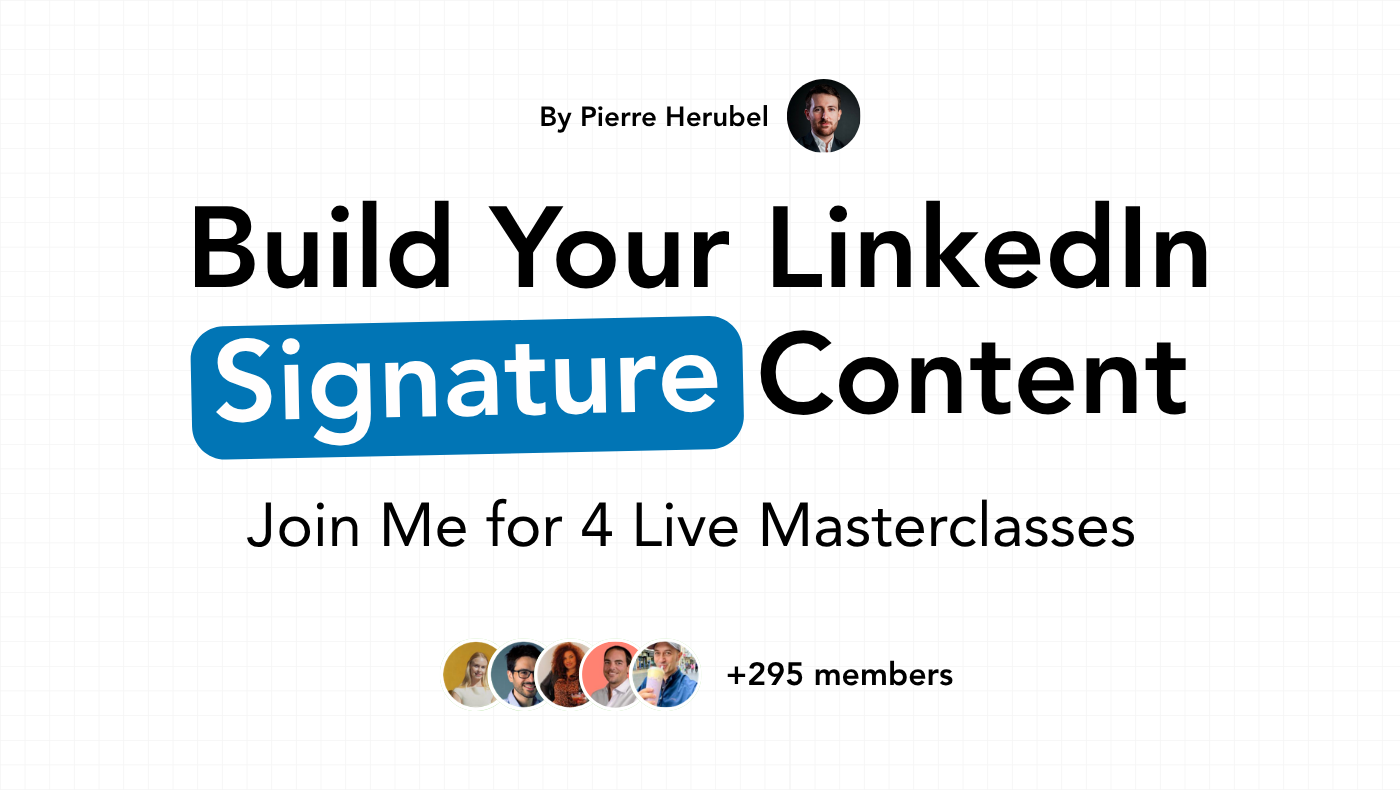
Pierre H – LinkedIn Signature Content
Build a LinkedIn Presence That Creates Trust, Attention, and Opportunity
LinkedIn has become far more than a platform for job seekers, recruiters, and corporate announcements. It is now one of the most valuable places for professionals, founders, consultants, creators, sales teams, and service providers to build authority in public. The people who consistently earn attention on LinkedIn are rarely the ones with the most polished resumes. They are the ones who communicate clear ideas, share useful experiences, understand their audience, and show up with a recognizable point of view.
Pierre H – LinkedIn Signature Content is designed around that exact principle: creating content that feels distinct, credible, relevant, and worth remembering. Instead of publishing generic motivational posts or copying trending formats without purpose, this approach focuses on building a content identity that reflects real expertise and attracts the right audience over time.
A strong LinkedIn strategy is not about posting every day just to stay visible. It is about publishing the right message, in the right format, for the right people. When content is aligned with a professional goal, it can create conversations, generate leads, strengthen personal branding, attract partnerships, and establish long-term authority in a competitive market.
What Is Signature Content on LinkedIn?
Signature content is the type of content people begin to associate with a specific creator or professional. It has a recognizable voice, a clear theme, and a repeatable structure that makes it stand out in a crowded feed.
For example, one person may become known for sharp leadership lessons based on real business experience. Another may share practical sales frameworks. A consultant may publish thoughtful breakdowns of industry problems, while a founder may document lessons from building a company. The common factor is consistency. Their content is not random; it is connected by a clear message and a recognizable perspective.
Signature content helps professionals move beyond being “another person who posts on LinkedIn.” It creates a stronger connection between the creator and the value they provide. Over time, followers begin to recognize the style, anticipate the insights, and trust the expertise behind the posts.
The goal is not to sound like everyone else. The goal is to become memorable for something useful.
Why LinkedIn Content Matters More Than Ever
Modern buyers, clients, employers, partners, and collaborators often research people before responding to a message, scheduling a call, or making a decision. A LinkedIn profile may be the first place they look. What they see can influence whether they view someone as experienced, trustworthy, informed, and relevant.
A well-written profile is important, but content adds another layer. It shows how a person thinks. It demonstrates communication ability, industry knowledge, values, and problem-solving skills. It can turn a passive profile visitor into an engaged follower, a warm lead, or a professional connection.
Consistent publishing also creates compound visibility. One useful post may reach a few people. A library of thoughtful content can reach thousands over time, especially when posts continue to receive comments, shares, and profile visits. This creates a digital footprint that works even when the creator is offline.
For professionals who want to grow a business, attract clients, build influence, or expand career opportunities, LinkedIn content can become a powerful long-term asset.
The Core Elements of Effective LinkedIn Content
High-performing LinkedIn content is not only about clever writing. It is about clarity, relevance, and audience understanding. The strongest posts usually include several important elements.
A Clear Point of View
People engage with content that says something meaningful. A strong post does not simply repeat common advice. It gives the reader a perspective, a lesson, a challenge, or a useful way to think differently.
A clear point of view may come from experience, observation, research, client work, leadership, failure, growth, or industry knowledge. It should feel grounded in something real. Readers can usually tell the difference between an authentic insight and a generic statement written only for engagement.
A Strong Opening Hook
The first few lines determine whether someone keeps reading. LinkedIn users scroll quickly, so the opening must create curiosity or immediate relevance.
A good hook can start with a bold statement, a surprising lesson, a relatable problem, a personal observation, or a question that speaks directly to the audience. The goal is not clickbait. The goal is to earn attention by making the reader feel that the post is worth their time.
Examples of effective opening angles include:
- “Most professionals are invisible on LinkedIn for one simple reason.”
- “The best career advice I received was also the hardest to follow.”
- “You do not need more content ideas. You need a stronger message.”
- “A client once told me something that changed how I think about trust.”
The hook should lead naturally into the rest of the post rather than making a promise the content does not deliver.
Useful, Specific Insights
People save and share content when it gives them something practical. This does not always mean a long list of tips. It can be a framework, a story, a lesson, a process, or a new perspective that helps someone make a better decision.
Specificity creates credibility. Instead of saying, “Build your personal brand,” explain what that means in action. Instead of saying, “Be consistent,” show how a professional can create a realistic posting system. Instead of saying, “Tell stories,” explain which stories are worth telling and why.
The more useful the insight, the more likely it is to create meaningful engagement.
A Natural Writing Style
LinkedIn content should be easy to read. Long paragraphs, overly formal language, and complicated jargon can make even a strong idea feel difficult to consume.
Clear formatting matters. Short paragraphs, intentional spacing, simple language, and direct sentences make content more accessible. The best writing often feels conversational while still being professional.
A natural writing style also helps build trust. Readers are more likely to engage when they feel like a real person is speaking to them rather than a brand trying too hard to sound impressive.
Creating a Content Strategy That Supports Real Goals
Before publishing, it is important to understand what the content is meant to achieve. Different goals require different types of posts.
Someone building a consulting business may focus on educational posts that demonstrate expertise and solve common client problems. A founder may share behind-the-scenes lessons about building, leading, hiring, and making decisions. A job seeker may publish industry insights, project breakdowns, and reflections that show professional value. A sales professional may create content around customer challenges, market trends, and useful frameworks.
The best content strategy connects audience needs with professional goals.
A simple way to structure this is through content pillars. Content pillars are the main topics a person consistently talks about. They create focus while still leaving room for variety.
Common LinkedIn content pillars include:
- Industry expertise and professional insights
- Personal stories and career lessons
- Leadership, mindset, and decision-making
- Client results and case-study lessons
- Practical frameworks and how-to content
- Opinions on current trends
- Behind-the-scenes work processes
- Mistakes, challenges, and lessons learned
Using three to five content pillars can make content creation easier. Instead of wondering what to post every day, creators can return to their core themes and develop new angles around them.
The Power of Storytelling in Professional Content
Stories are one of the most effective ways to make professional content relatable. Facts may inform people, but stories help them remember.
A strong LinkedIn story does not need to be dramatic. It can be about a difficult conversation, a failed project, an unexpected client lesson, a career turning point, a leadership challenge, or a moment of realization.
The key is to connect the story to a broader lesson. Readers should understand why the experience matters to them.
A simple storytelling structure can look like this:
- Start with a moment, challenge, or observation.
- Explain what happened.
- Share the lesson or shift in thinking.
- Connect it to the reader’s situation.
- End with a thoughtful takeaway or question.
Stories work especially well because they create emotional connection without sacrificing professionalism. They show personality, experience, and honesty in a way that purely educational content sometimes cannot.
Building Authority Without Sounding Overly Promotional
One of the biggest mistakes on LinkedIn is making every post feel like a sales pitch. Constant promotion can reduce engagement because people usually visit the platform to learn, connect, and discover useful ideas.
Authority is built through value first. When people repeatedly see thoughtful insights, practical advice, and relevant experience, they naturally become more interested in the person behind the content.
Promotion still has a place, but it should be balanced. A professional can mention services, products, offers, case studies, or calls to action without making every post transactional.
A useful approach is to focus most content on education, insight, and trust-building, while occasionally publishing direct promotional content. This creates a healthier relationship with the audience and makes promotional posts more effective when they appear.
Engagement Is About Conversation, Not Just Reach
Views and likes can be useful signals, but they are not the only measure of success. Meaningful comments, direct messages, profile visits, connection requests, and conversations often matter more.
A post that reaches fewer people but attracts the right decision-makers can be more valuable than a viral post with no business relevance.
To encourage stronger engagement, end posts with questions that invite reflection rather than forcing interaction. Reply to comments with genuine interest. Engage with other professionals in the same industry. Share thoughtful responses instead of one-word comments.
LinkedIn rewards active participation because the platform is built around professional conversation. Publishing is important, but relationship-building is where much of the long-term value comes from.
Consistency Without Burnout
Consistency does not mean posting every day forever. It means creating a sustainable rhythm that allows quality to remain high.
For many professionals, two to four posts per week is enough to build momentum. The best schedule is one that can be maintained without sacrificing work, health, or quality.
Content batching can make the process easier. Instead of writing a post from scratch every day, set aside time to brainstorm ideas, outline topics, write drafts, and schedule content in advance. Keep a running note of stories, lessons, client questions, industry observations, and ideas that come up during the week.
Over time, content creation becomes less stressful because there is always a bank of ideas ready to develop.
Measuring What Works
A strong LinkedIn strategy improves through feedback. Review which posts generate comments, saves, profile visits, shares, and direct messages. Look for patterns.
Perhaps personal stories create the most conversation. Maybe practical frameworks receive more saves. Maybe opinion-based posts attract new followers. The goal is not to chase every metric but to understand what resonates with the audience you want to reach.
Content performance should guide future decisions. Repeat successful formats, improve weaker ones, and continue experimenting with new ideas. The most effective creators are not always the ones who get everything right immediately. They are the ones who learn from each post and improve over time.
Final Thoughts
Pierre H – LinkedIn Signature Content represents a strategic approach to professional visibility. It is about creating content that feels original, useful, and aligned with a larger purpose. When done well, LinkedIn content can build trust before a conversation begins, establish authority before a sales call happens, and create opportunities that may not have existed otherwise.
The most powerful content is not necessarily the loudest. It is the content that helps people think, act, and see something more clearly. By developing a recognizable voice, sharing real insights, using stories with purpose, and publishing consistently, professionals can create a LinkedIn presence that stands out for the right reasons.
A strong reputation is built one interaction at a time. Thoughtful content gives that reputation a place to grow.


Reviews
There are no reviews yet.