

Description
Introduction
Social media has transformed the way businesses, creators, and brands communicate with audiences. In today’s digital world, visual content plays a major role in capturing attention, building trust, and creating memorable online experiences.
Every day, people interact with thousands of images, videos, graphics, and digital messages. Because of this competition, strong design has become more important than ever.
A successful social media design is not only about making something visually attractive. It is about communicating a message clearly, understanding audience behavior, creating emotional connections, and encouraging action.
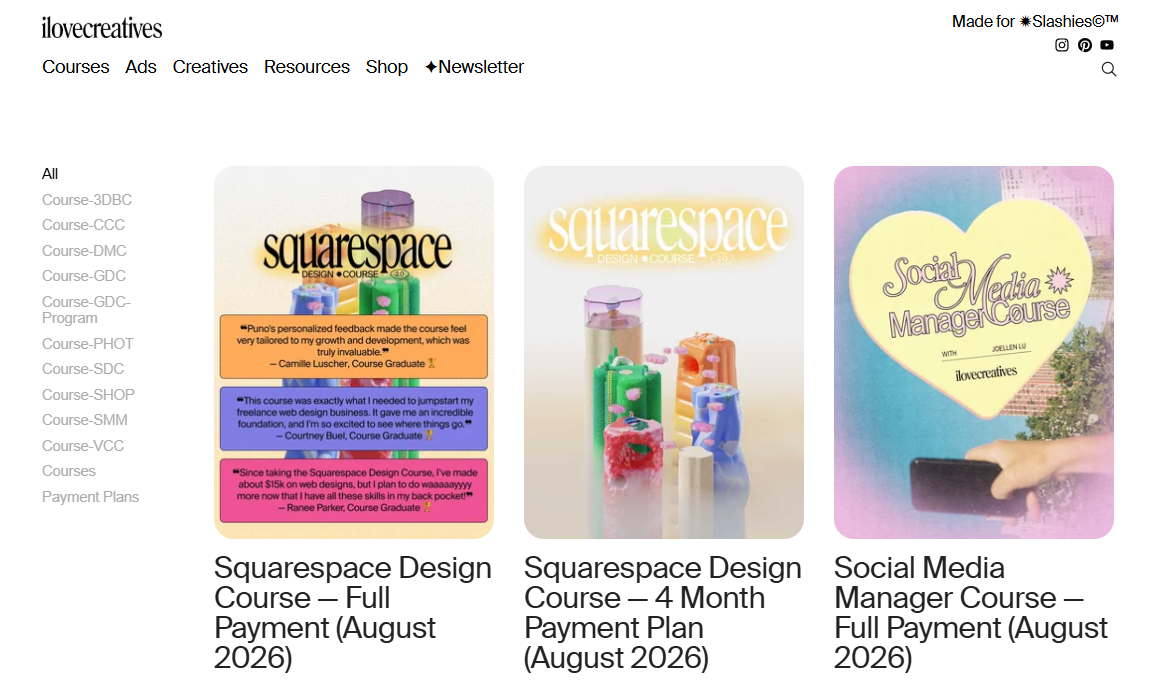
ilovecreatives – Social Design Course represents a creative learning approach focused on developing the skills needed to create professional social media visuals, improve design thinking, and build effective digital content strategies.
This guide explores the foundations of social design, including creative principles, branding methods, content creation workflows, professional techniques, and opportunities available for modern designers.
The Importance of Social Design in the Digital Era
Social media platforms have become essential marketing channels for businesses and individuals.
Brands use visual content to:
- Increase awareness
- Build communities
- Promote products
- Share stories
- Connect with customers
A well-designed post can communicate a message within seconds.
Strong social design helps businesses stand out by creating:
- Recognition
- Professional credibility
- Emotional connection
- Consistent branding
In a crowded digital environment, design is often the first interaction between a brand and its audience.
Understanding Modern Visual Communication
Design is a form of communication.
A successful designer understands that every visual element has a purpose.
These elements include:
- Colors
- Typography
- Layout
- Images
- Shapes
- Spacing
Each choice influences how audiences understand and respond to content.
The Psychology Behind Great Design
Effective social designs consider human behavior.
People naturally respond to:
Visual Hierarchy
Visual hierarchy helps viewers understand what information is most important.
Designers use:
- Size differences
- Color contrast
- Placement
- Typography choices
to guide attention.
Emotional Impact
Colors, images, and styles influence emotions.
For example:
- Bright colors can create energy
- Minimal designs can communicate professionalism
- Strong imagery can create curiosity
Understanding emotions helps designers create more effective content.
Simplicity
The best social designs are often simple and clear.
Too many elements can confuse viewers.
Strong designs focus on:
- One clear message
- Balanced layouts
- Easy readability
Core Principles of Effective Social Media Design
Professional social designers follow important principles that improve content quality.
Creating Strong Composition
Composition determines how elements are arranged within a design.
A balanced composition creates a smoother viewing experience.
Important concepts include:
- Alignment
- Balance
- Contrast
- Spacing
- Focus points
Good composition helps designs feel organized and professional.
Typography and Text Design
Text is a major part of social media graphics.
Good typography improves:
- Readability
- Brand personality
- Message clarity
Designers should consider:
- Font selection
- Font size
- Line spacing
- Text placement
The goal is making information easy to understand quickly.
Color Theory and Branding
Colors influence perception and recognition.
A strong color system helps brands create consistency.
Designers should understand:
- Color combinations
- Contrast
- Brand palettes
- Emotional associations
Consistent colors make content more recognizable.
Building a Strong Creative Process
Professional design requires more than inspiration. It requires a repeatable process.
Research and Planning
Before creating a design, successful creators understand:
- Target audience
- Content purpose
- Brand identity
- Platform requirements
Research helps create more relevant visuals.
Developing Creative Concepts
Strong designs usually begin with ideas.
Creative brainstorming can include:
- Exploring references
- Creating mood boards
- Testing different concepts
- Studying trends
The goal is finding unique ways to communicate messages.
Designing and Refining
The first version is rarely the final version.
Professional designers improve work through:
- Feedback
- Testing
- Adjustments
- Refinement
Iteration creates better results.
Designing Content That Captures Attention
Social media users scroll quickly, so designs need to attract attention immediately.
Creating Powerful Visual Hooks
A strong visual hook encourages people to stop scrolling.
Effective approaches include:
- Interesting headlines
- Unique imagery
- Strong contrast
- Unexpected creative ideas
Understanding Different Content Formats
Different platforms require different approaches.
Social content may include:
- Promotional graphics
- Educational posts
- Story content
- Advertisements
- Carousel designs
- Short-form visuals
Each format requires different design decisions.
Designing for Engagement
The purpose of social content Visual Branding, Social Media Graphics, Content Design, Brand Identity Design, Graphic Designer Skills, Creative Workflow, Digital Marketing Design, Visual Communication, Design Principles, Typography Design, Color Theory, Creative Industry, Social Media Branding, Design Portfolio, Freelance Design, Graphic Design Career, Creative Business, Digital Content Creation, Marketing Design, Brand Strategy, Visual Storytelling, Design Inspiration, Modern Design Trends, Social Media Content Strategy, Creative Entrepreneurship, Digital Creator Skills, Online Design Course, is often encouraging interaction.
Effective designs may encourage:
- Comments
- Shares
- Saves
- Clicks
Designers should consider the desired audience action before creating content.
Branding and Visual Identity Strategies
Strong brands are built through consistency.
A recognizable visual identity helps audiences remember a business.
Creating Brand Guidelines
A brand guideline defines:
- Colors
- Fonts
- Image styles
- Design rules
- Visual direction
This ensures consistent content creation.
Maintaining Design Consistency
Consistency creates professionalism.
Brands should maintain:
- Similar visual styles
- Repeated design elements
- Clear messaging
This improves recognition over time.
Creating Emotional Brand Connections
Great designs communicate personality.
A brand can feel:
- Premium
- Friendly
- Creative
- Professional
- Innovative
Design choices help shape these perceptions.
Tools and Workflows for Social Designers
Modern designers use various tools to create efficient workflows.
Common design categories include:
Graphic Design Tools
Used for:
- Layout creation
- Image editing
- Visual composition
Video and Motion Design Tools
Used for:
- Animated content
- Short videos
- Social media clips
Collaboration Tools
Used for:
- Feedback
- Project management
- Team communication
A strong workflow improves productivity.
Creating Professional Design Portfolios
A portfolio demonstrates creative ability.
A strong portfolio should showcase:
- Different design styles
- Real projects
- Creative thinking
- Problem-solving ability
Showing the Design Process
Clients often value understanding how designers think.
A portfolio can include:
- Research
- Concept development
- Final designs
- Results
This demonstrates strategic ability.
Building an Online Presence
Designers can grow opportunities by sharing work through:
- Social platforms
- Personal websites
- Creative communities
Visibility helps attract clients and collaborations.
Monetizing Social Design Skills
Social design skills create multiple career opportunities.
Freelance Design Services
Designers can offer services such as:
- Social media graphics
- Brand visuals
- Marketing designs
- Content packages
Working With Brands
Companies need designers to create:
- Campaign visuals
- Promotional content
- Brand assets
Creating Digital Products
Designers can create:
- Templates
- Design resources
- Educational materials
Digital products provide scalable income opportunities.
Common Design Mistakes and Solutions
Mistake: Overcomplicated Designs
Too many elements reduce clarity.
Solution:
Focus on one main message.
Mistake: Ignoring Brand Consistency
Random styles weaken recognition.
Solution:
Follow clear visual guidelines.
Mistake: Designing Without Audience Understanding
Beautiful designs can fail if they do not connect.
Solution:
Research audience preferences first.
Mistake: Following Trends Without Strategy
Trends change quickly.
Solution:
Use trends while maintaining brand identity.
Frequently Asked Questions
What is ilovecreatives – Social Design Course?
It represents a creative learning approach focused on developing social media design skills, visual communication abilities, and professional creative workflows.
Why is social design important?
Social design helps brands communicate effectively, attract attention, and build stronger relationships with audiences.
Can social design become a career?
Yes, skilled designers can work with brands, agencies, creators, and businesses through freelance or professional opportunities.
What skills are important for social designers?
Important skills include:
- Design principles
- Branding
- Typography
- Creativity
- Communication
- Audience understanding
Final Conclusion
Social design has become one of the most important creative skills in the modern digital world.
ilovecreatives – Social Design Course highlights the importance of understanding design principles, creative workflows, branding strategies, and audience psychology.
Successful social designers do more than create attractive visuals. They create communication systems that help brands connect with people, tell stories, and achieve meaningful results.
By mastering visual design, improving creative processes, and understanding digital audiences, designers can build valuable skills that create opportunities across marketing, branding, freelancing, and creative industries.
The future of digital communication will continue to rely on strong visuals, and designers who combine creativity with strategy will remain highly valuable in the evolving online landscape.





Reviews
There are no reviews yet.