

Description
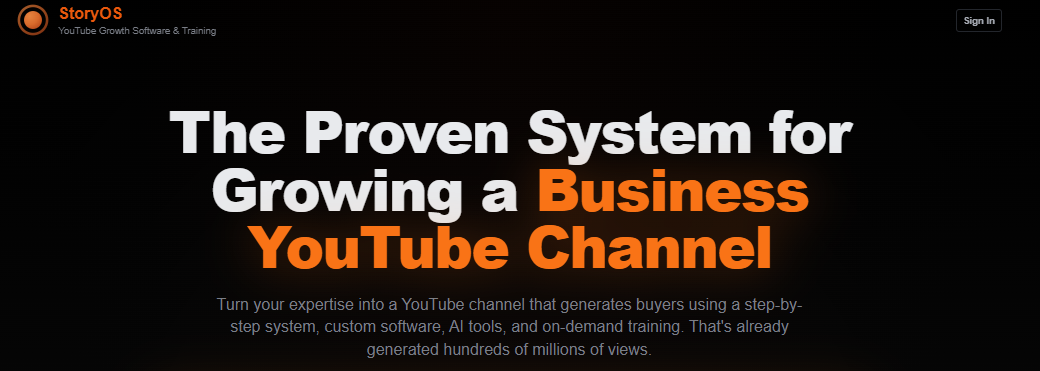
Ed Lawrence – StoryOS: Complete Review & Guide
Storytelling has become one of the most valuable skills in today’s digital landscape. Whether you’re a business owner, content creator, marketer, coach, consultant, or entrepreneur, the ability to communicate ideas through compelling stories can significantly increase audience engagement and brand trust. Ed Lawrence – StoryOS is designed around this concept by providing a structured system for creating memorable stories that connect with audiences across multiple platforms.
Instead of relying on random inspiration, StoryOS focuses on building a repeatable framework that makes storytelling more strategic, scalable, and effective. Businesses today compete for attention across social media, email marketing, websites, podcasts, webinars, and video platforms. Having a consistent storytelling process helps brands maintain clarity while strengthening customer relationships.
This guide explores what StoryOS is, its core concepts, potential benefits, who it is designed for, and how a storytelling framework can improve modern marketing.
What is StoryOS?
StoryOS is a structured storytelling framework created by Ed Lawrence that helps individuals and businesses organize, develop, and communicate stories with greater consistency.
Rather than viewing storytelling as a creative talent reserved for writers, the system treats it as a repeatable business process. Every successful brand tells stories that educate, entertain, inspire, and persuade. StoryOS focuses on making that process easier to implement across multiple marketing channels.
Instead of creating disconnected pieces of content, users develop a storytelling system that aligns with their overall business goals and brand identity.
Why Storytelling Matters in Marketing
Consumers are exposed to thousands of marketing messages every day. Traditional promotional content often struggles to capture attention because it focuses only on products and features.
Stories work differently.
Effective storytelling helps audiences:
- Build emotional connections
- Remember important messages
- Understand complex ideas
- Trust a brand
- Relate to personal experiences
- Stay engaged longer
- Share content organically
Strong stories create memorable experiences instead of simple advertisements.
Core Principles Behind StoryOS
Although every storytelling framework has its own structure, successful systems generally include several essential components.
Creating a Consistent Brand Narrative
Every successful business has a larger story beyond its products or services.
This includes:
- Company mission
- Core values
- Brand personality
- Customer transformation
- Long-term vision
A consistent narrative helps audiences recognize and remember a brand.
Understanding the Audience
Effective storytelling begins with understanding who the audience is.
Important considerations include:
- Goals
- Challenges
- Motivations
- Interests
- Pain points
- Aspirations
The better marketers understand their audience, the easier it becomes to create relevant stories.
Building Emotional Connection
Logic helps people understand.
Emotion helps people remember.
Great stories often include:
- Personal experiences
- Challenges
- Breakthrough moments
- Lessons learned
- Customer success
- Authentic struggles
These emotional elements increase engagement across nearly every content platform.
Organizing Story Assets
Businesses often accumulate valuable stories without documenting them.
Examples include:
- Client success stories
- Founder experiences
- Team achievements
- Product development journeys
- Customer testimonials
- Behind-the-scenes moments
Organizing these assets creates a library that can be reused throughout future marketing campaigns.
Benefits of Using a Storytelling Framework
A structured storytelling process offers numerous advantages over creating content without a strategy.
Improved Content Consistency
Publishing becomes easier when every piece of content follows an established framework.
Consistency helps strengthen brand recognition over time.
Better Audience Engagement
People naturally engage with stories more than promotional messages.
Stories encourage:
- Comments
- Shares
- Conversations
- Community participation
- Audience loyalty
Increased Brand Trust
Authentic storytelling demonstrates transparency.
Businesses that openly share experiences often build stronger relationships with their audiences.
More Efficient Content Creation
Instead of wondering what to publish every week, marketers can draw from an organized story system.
This reduces creative burnout while maintaining quality.
Who Can Benefit from StoryOS?
A storytelling system can benefit professionals across many industries.
Ideal users may include:
- Entrepreneurs
- Small business owners
- Marketing professionals
- Content creators
- Social media managers
- Agency owners
- Coaches
- Consultants
- Authors
- Speakers
- Personal brands
- Educators
- Freelancers
Anyone responsible for communicating ideas can benefit from structured storytelling.
Applying Storytelling Across Different Platforms
One advantage of a storytelling framework is adaptability.
The same story can be repurposed for multiple channels.
Social Media
Stories can become:
- Instagram posts
- LinkedIn articles
- Facebook updates
- Threads
- X posts
- Carousel content
Email Marketing
Story-driven emails often produce stronger engagement because they focus on value before promotion.
Video Content
Stories provide natural structure for:
- YouTube videos
- Webinars
- Tutorials
- Educational content
- Product demonstrations
Sales Pages
Storytelling helps explain:
- Problems
- Solutions
- Customer journeys
- Business credibility
Instead of simply listing features, stories provide meaningful context.
Building a Repeatable Content System
One of the biggest challenges creators face is consistency.
A storytelling system helps organize content into repeatable categories such as:
- Origin stories
- Customer stories
- Educational lessons
- Personal experiences
- Industry observations
- Mistakes and lessons
- Behind-the-scenes updates
- Success stories
This structure makes long-term publishing significantly easier.
Storytelling and Brand Positioning
Strong brands are remembered because they communicate a clear identity.
Story-driven positioning helps answer questions like:
- Why does the business exist?
- What problems does it solve?
- What makes it different?
- What values guide decisions?
- What transformation does it deliver?
These answers create a stronger market position.
Common Challenges Solved by Structured Storytelling
Many businesses struggle with:
- Running out of content ideas
- Low engagement
- Generic marketing messages
- Weak brand identity
- Inconsistent communication
- Poor customer connection
A structured framework helps simplify each of these challenges.
Tips for Better Storytelling
Regardless of the framework used, several best practices remain valuable.
Focus on Authenticity
Real experiences resonate more than exaggerated claims.
Keep Messages Simple
Clear communication often outperforms complicated narratives.
Prioritize Customer Transformation
Successful stories often highlight how customers overcome challenges.
Stay Consistent
Publishing regularly helps reinforce brand identity.
Measure Performance
Track engagement metrics to identify which stories connect most effectively with audiences.
Final Thoughts
Ed Lawrence – StoryOS presents a structured approach to storytelling that can help businesses create more engaging marketing content while maintaining consistency across multiple channels. Rather than treating storytelling as random creativity, the framework emphasizes organization, repeatability, and strategic communication.
For entrepreneurs, marketers, agencies, consultants, and creators seeking a more systematic approach to content creation, developing a storytelling process can improve efficiency, strengthen audience relationships, and support long-term brand growth. As digital marketing becomes increasingly competitive, businesses that communicate through meaningful stories are often better positioned to earn attention, build trust, and create lasting customer connections.
By focusing on clarity, authenticity, and repeatable storytelling principles, brands can develop content that informs, inspires, and remains memorable long after it is published.



Reviews
There are no reviews yet.